

The Benefits of Tipping Cannabis Plants for Maximum Yield
- alan jones
- 8 hours ago
- 3 min read

Growing cannabis successfully involves many techniques that help plants reach their full potential. One such technique is tipping, a simple pruning method that can significantly improve the yield and quality of your cannabis plants. This post explains what tipping is, why it matters, and how to do it properly to get the best results.
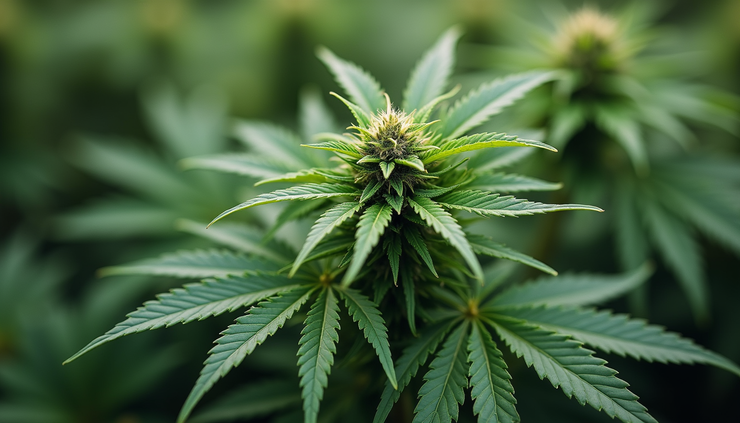
What Is Tipping Cannabis Plants?
Tipping is the process of cutting off the top part of the main stem or branches of a cannabis plant. This encourages the plant to stop growing upward and instead focus on developing multiple new shoots or branches from just below the cut. These new branches grow into additional colas, which are the flowering sites where buds form.
Unlike topping, which involves cutting the main stem higher up and can be more stressful for the plant, tipping usually targets smaller branches or the very top of the main stem. This makes it a gentler method for beginners while still promoting bushier growth.
Why Tipping Improves Yield
Cannabis plants naturally grow tall with a dominant main cola. This means the plant puts most of its energy into one central bud, while smaller side branches produce less. Tipping redistributes this energy by:
Encouraging multiple main colas instead of just one
Increasing the number of bud sites on the plant
Creating a bushier plant with better light exposure for all branches
Improving airflow around the plant, reducing the risk of mold and pests
By creating more colas, tipping can increase the total harvest weight. Many growers report a 20-30% boost in yield when tipping is done correctly.
When to Tip Cannabis Plants
Timing is crucial for tipping to be effective. The best time to tip is during the vegetative stage, before the plant starts flowering. This is when the plant is actively growing and can recover quickly from pruning.
A good rule of thumb is to tip when the plant has at least 4-6 nodes (sets of leaves). This usually happens about 3-4 weeks after germination. Tipping too early can stunt growth, while tipping too late may stress the plant during flowering.
How to Tip Cannabis Plants Step-by-Step
Follow these steps to tip your cannabis plants safely and effectively:
Prepare your tools
Use clean, sharp scissors or pruning shears to avoid damaging the plant or spreading disease.
Identify the topping point
Look for the topmost node or branch you want to cut. For tipping, this is usually the very tip of the main stem or a side branch.
Make a clean cut
Snip off the top 1-2 centimeters of the stem or branch just above a node. Avoid crushing or tearing the plant tissue.
Monitor the plant
After tipping, the plant will redirect energy to the nodes below the cut. You should see new shoots emerging within 5-7 days.
Repeat if needed
You can tip multiple times during the vegetative stage to encourage bushier growth, but avoid over-pruning.
Tips for Successful Tipping
Always use sterilized tools to prevent infections.
Avoid tipping during flowering to reduce stress.
Combine tipping with other training methods like low-stress training (LST) for even better results.
Keep plants healthy with proper watering, nutrients, and light to support recovery.
Observe your plants closely after tipping to catch any signs of stress or disease early.
Common Mistakes to Avoid
Cutting too much at once, which can shock the plant.
Tipping too late in the growth cycle.
Using dull or dirty tools.
Neglecting plant care after pruning.
Additional Benefits of Tipping
Beyond increasing yield, tipping offers other advantages:
Better light penetration: More even canopy allows light to reach lower branches.
Improved airflow: Reduces humidity and risk of mold.
Stronger plant structure: Bushier plants are more stable and less likely to fall over.
Enhanced resin production: Some growers notice more resin on buds due to increased bud sites.

Real-World Example
A grower with 10 cannabis plants applied tipping during the vegetative stage. Before tipping, each plant had one dominant cola and several smaller branches. After tipping, the plants developed 3-5 main colas each. The final harvest increased by about 25%, with buds appearing denser and more uniform.
This example shows how a simple technique can make a big difference without extra cost or complicated equipment.


Comments